Kyoto’s Sacred Map: A Guide Through Its Most Beautiful Temples and Timeless Neighborhoods
- angela tamayo
- May 20, 2024
- 5 min read


Kyoto is a city that feels endless—temples tucked into hillsides, quiet tea shops hidden in narrow lanes, and whole neighborhoods that seem frozen in another era. With so much to see, it can be overwhelming to decide where to start. So instead of listing places randomly, I’ve broken the city down into easy-to-explore areas that naturally fit together.

These are my favorite areas (I made them up), what to see in each, and how to experience Kyoto at a slower, more magical pace.

Area 1: The Golden Pavilion & Nearby Luxury
This is a more “touristy but iconic + a bit exclusive / luxe” area.
Kinkaku-ji (Golden Pavilion) — soo crowded but a must. The shimmering gold temple is one of Kyoto’s most famous sights.
Roku Kyoto lxr hotel / property — I stayed here.
Even if you don’t stay there, you could book a table at one of its restaurants and explore the property.
Describe the vibe: elegant, calm, luxurious, but deeply rooted in Japanese design.
Suggested flow for the day:
Visit Kinkaku-ji in the morning (so the light is good for photos on the pond)
Head to Roku Roku, have lunch or tea, walk around the grounds, soak in the architecture / gardens.
Maybe pair with another nearby temple or garden if you want to stretch the day.
Why this combo works:It combines “classic Kyoto temple tourism” with a more curated, elevated stay / experience. It’s a nice mix of sightseeing + living-in-the-moment.

Area 2: Old Kyoto / Higashiyama
Where you can get lost in winding alleys, traditional shops, and historic temples.
Nakanocho area till you reach Nakagyō-ku ward — streets you can find cool stuff: TERAMACHI-DORI street & GOKUMACHI-DORI street
Old Kyoto (Gion, Higashiyama) — This area is as much about walking and discovering as about specific spots.
Nio-mon Gate — here: https://maps.app.goo.gl/YiMC3ZxSkuwDBA198
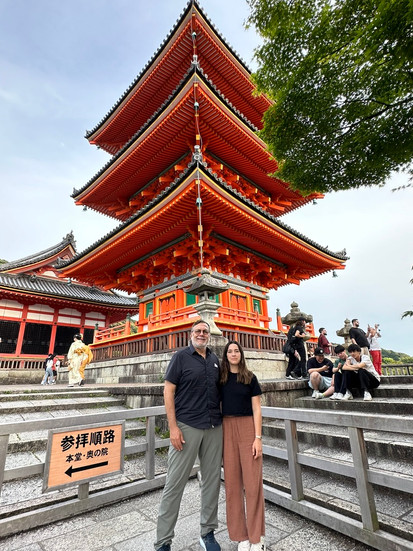
Three-story Pagoda Yasaka Pagoda (Hōkan-ji) — that’s a classic “old Kyoto” skyline.
Kiyomizu-dera — Iconic temple with the wooden stage overlooking the city; such a draw especially at sunrise or sunset.
Suggested flow for the day:
Start from a morning walk through the Higashiyama alleys (Ninen-zaka, Sannen-zaka) →
Stop by Hōkan-ji (Pagoda) for that photo-worthy old Kyoto feel. →
Make your way up to Kiyomizu-dera, spend time on the terrace, enjoy the views →
From Kiyomizu, you can wander further into Gion / small shops, tea houses, hidden alleys.
Why this combo works:This area is dense, atmospheric, and perfect for a slow, exploratory day. It’s less about “checking boxes” and more about feeling like you are in ancient Kyoto.

Area 3: Southern Kyoto / Spiritual Highlights
Mixes powerful religious sites and spiritual pilgrimage.
Sennyu-ji Temple — Not as often visited by tourists, but historically important; also contains imperial tombs. Kyoto Infos
Fushimi Inari-taisha — The famous shrine with thousands of vermilion torii gates climbing up Mt. Inari.
Suggested flow for the day:
Visit Sennyu-ji first, since it's quieter. →
Then head to Fushimi Inari, hike up into the torii paths, take in the forested mountain feel, and return via one of the viewpoints.
Why this combo works: You get a contrast: a more “under-the-radar” temple + one of Kyoto’s most iconic shrines. It gives a spiritual depth and also a sense of exploration / pilgrimage.

Area 4: Western Kyoto
This is more “out of the city” in terms of the very central Kyoto core, but it's very worth dedicating a half or full day here because it's scenic and peaceful.
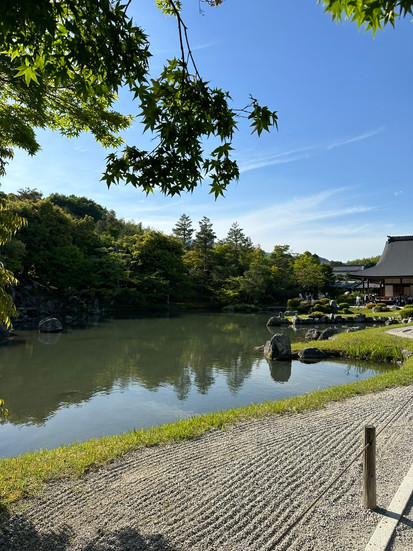
Tenryu-ji — One of Arashiyama’s most important Zen temples, with a beautiful garden and great views.
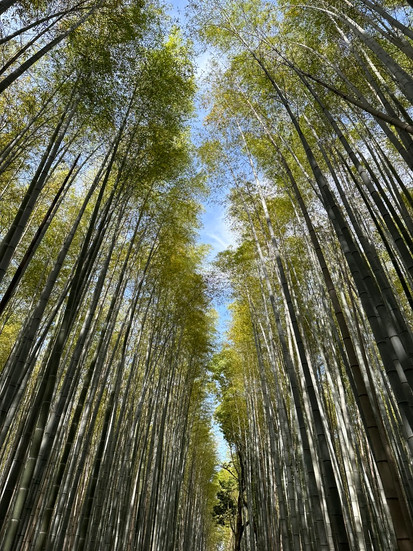
Arashiyama (Bamboo Grove, River, Bridge, etc.) — Even beyond the temple, Arashiyama itself is a magical area to wander.
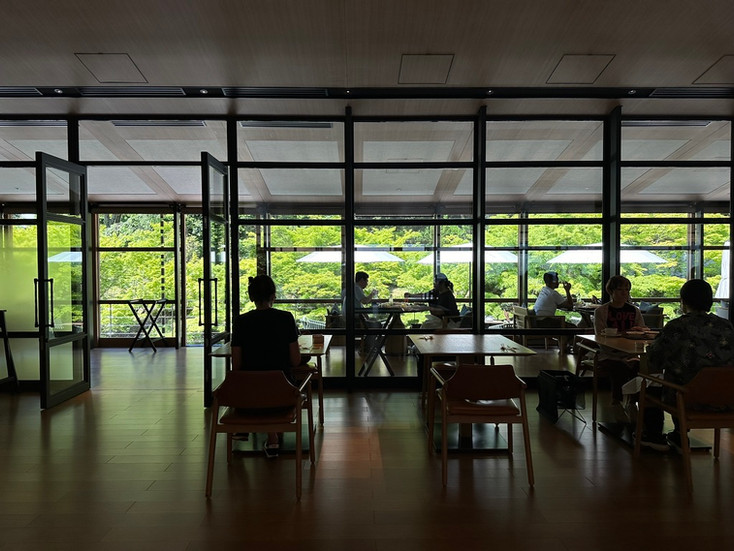
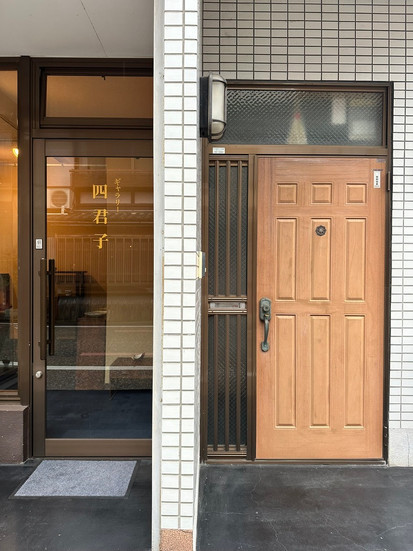
Arashiyama Yūsai-Tei Gallery — This is perfect for art lovers, especially if they want to combine architecture, Japanese aesthetics, and nature.
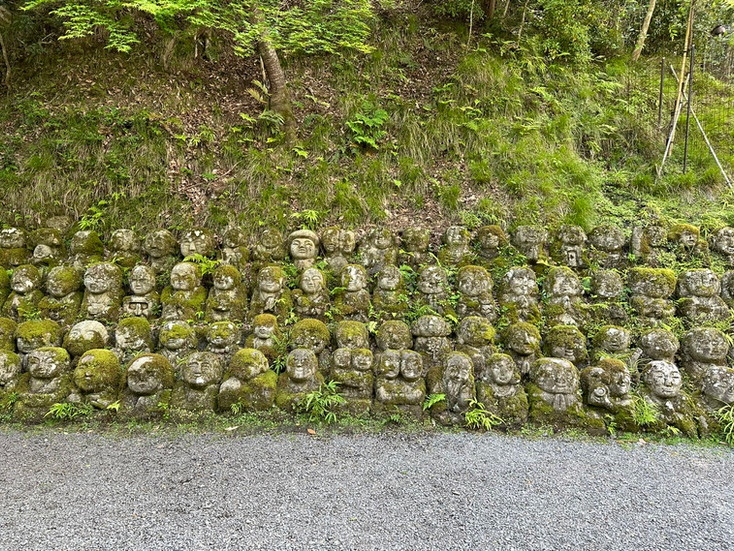
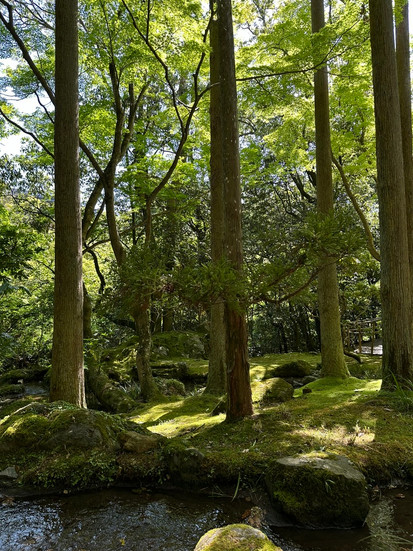
Otagi Nenbutsuji Temple — Slightly off the beaten path; famous for its rakan (stone statues of disciples), many of them moss-covered and charmingly individualistic. (You linked a map for this, which is great.)
Suggested flow for the day:
Start early at Tenryu-ji (gardens are peaceful in the morning)
Walk (or bike) through the bamboo grove next → cross the iconic Togetsukyo Bridge → stop by the gallery → then head to Otagi Nenbutsuji (depending on how adventurous / how much time you want to spend).
Why this combo works:All these spots are relatively close, and they let visitors experience both nature and spirituality without rushing. For a slower-paced visit, this area is perfect — you can linger at gardens, sit by the river, soak in the quiet of the temples.
go all the way down to see the pics!
✨ Hidden Gems
After exploring the main areas, here are a few bonus spots and experiences that sit outside the typical tourist route — little corners of Kyoto that feel personal, quiet, and memorable.
📍 Horaidō Tea Stall
A tiny tea shop run by an elderly couple, tucked away on Nakagyō Ward. On Teramachi Street, this small family-run shop invites you in with warmth and curiosity. The owners are kind, patient, and genuinely excited to share their tea Here the link to their website: click here
And I have a blog post on how to get there > here
🎎 Maikoya Kyoto — Kimono Tea Ceremony
Make sure to book ahead! This experience lets you dress in a traditional kimono, learn the meaning behind each step of a Japanese tea ceremony, and slow down for a moment of pure culture. It’s beautiful, elegant, and incredibly photogenic. Here the link to their website: click here
And I have a blog post on the experience > here
🌿 Daitoku-ji Zen Complex
A peaceful Zen temple complex in northern Kyoto with multiple sub-temples, stunning rock gardens, and calm pathways. It’s less crowded than many major temples, perfect for travelers who want to feel that quiet Kyoto atmosphere. Here the link to their website: click here
Fun Facts
Kyoto is often said to feel like a city made of temples — and while there’s no official record confirming it has the most temples per square kilometer in the world, the numbers are still mind-blowing.
Kyoto is home to around 1,600 Buddhist temples and over 400 Shinto shrines, adding up to more than 2,000 religious sites within the city. This incredible concentration exists because Kyoto served as Japan’s cultural and spiritual heart for over a thousand years.
So even if we can’t crown it the absolute global champion of temple density, it’s undeniably one of the most temple-rich cities you’ll ever explore — a place where history, religion, and everyday life blend into something uniquely Kyoto.
Extra
🍵 Touan Main Gallery and Studios
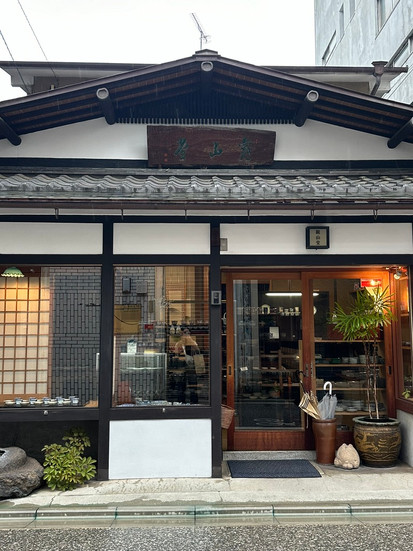
If you want to by ceramics I have a blog post on this > click here title: A Cup of Tea Led Me Here
PS:
Do not forget to do a Day trip to NARA, not just so see the 🦌 deer, but to see all the park has to offer!
And I have a blog post on how to get there > here
Kyoto truly has something magical and it’s hard to put into words until you’re actually here. There’s a quiet poetry in simply walking its streets, in the way old wooden houses lean into narrow alleys, in how the light filters through bamboo or falls softly over temple roofs. Even the everyday moments feel like scenes from a poem: the sound of a bell in the distance, the smell of incense, the moss growing on ancient stones.
Exploring the city area by area lets you slow down and truly feel its beauty. Kyoto isn’t just a place to see; it’s a place to absorb, one peaceful moment at a time.





















click on the arrows to see the photo gallery


Comments